
hayat
Empathy Through Tea
Empathy Through Tea
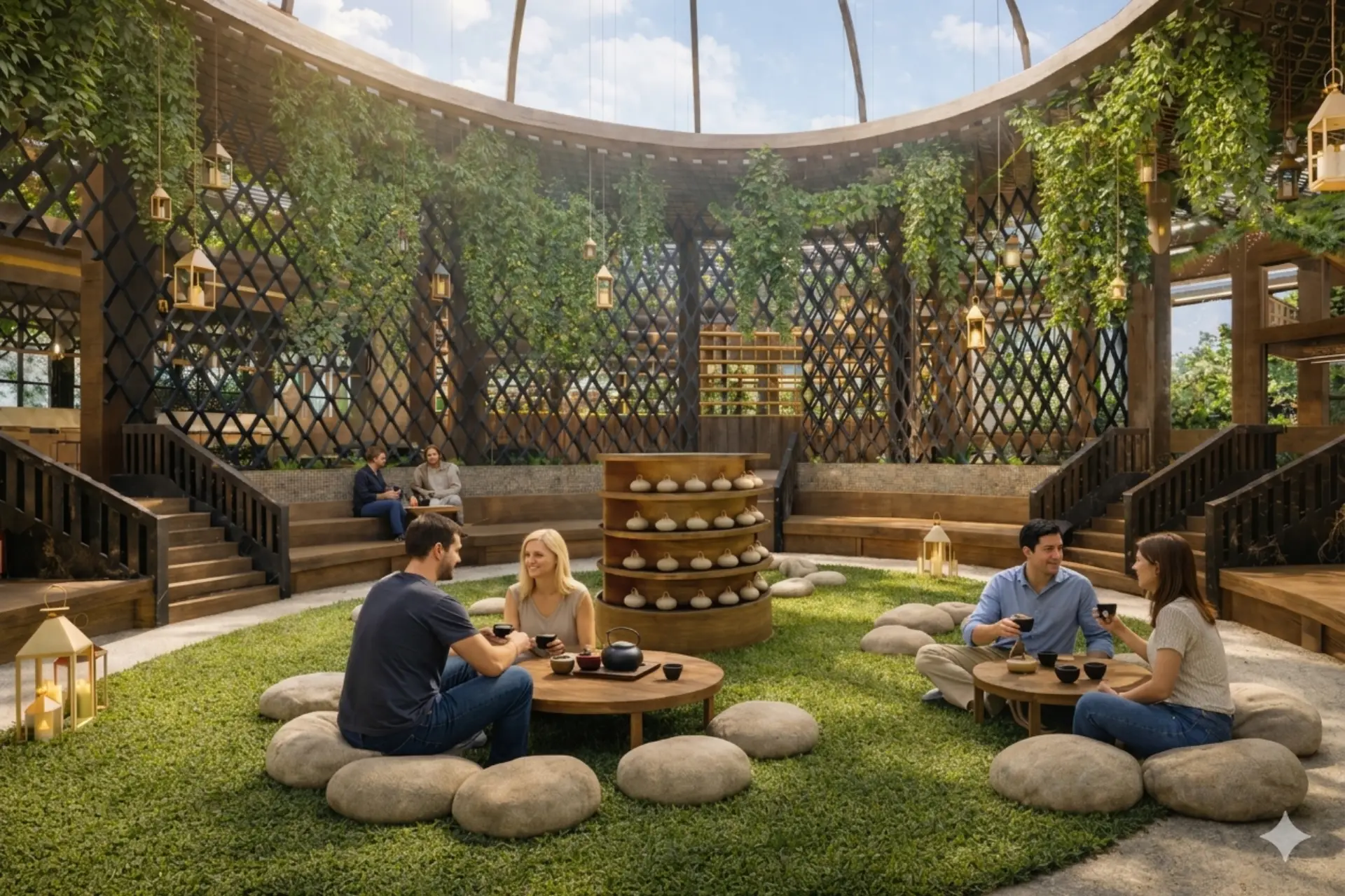
Hayat was designed as a tea garden that allows visitors to actively participate in the entire process from growing and harvesting to experiencing tea production.
Hayat was designed as a tea garden that allows visitors to actively participate in the entire process from growing and harvesting to experiencing tea production.
TARGET AUDIENCE
TARGET AUDIENCE
[ Visitors & Local Community ]
[ Visitors & Local Community ]
[ Visitors & Local Community ]
role
role
[ spatial experience design ]
[ spatial experience design ]
[ spatial experience design ]
year
year
[ 2021 ]
[ 2021 ]
[ 2021 ]
The Concept
The Concept
The project is based on the idea of “Empathy with Tea”, where people connect, understand each other, and experience different lives through shared tea rituals.
In the Eastern Black Sea Region, “hayat” refers to the warmest and most social part of a home. This meaning was combined with tea culture to define the identity of the project, positioning it as both a physical and emotional space.
The project is based on the idea of “Empathy with Tea”, where people connect, understand each other, and experience different lives through shared tea rituals.
In the Eastern Black Sea Region, “hayat” refers to the warmest and most social part of a home. This meaning was combined with tea culture to define the identity of the project, positioning it as both a physical and emotional space.
The Design
The Design
The spatial design was developed to support interaction, participation, and sustainability while integrating local architectural references.
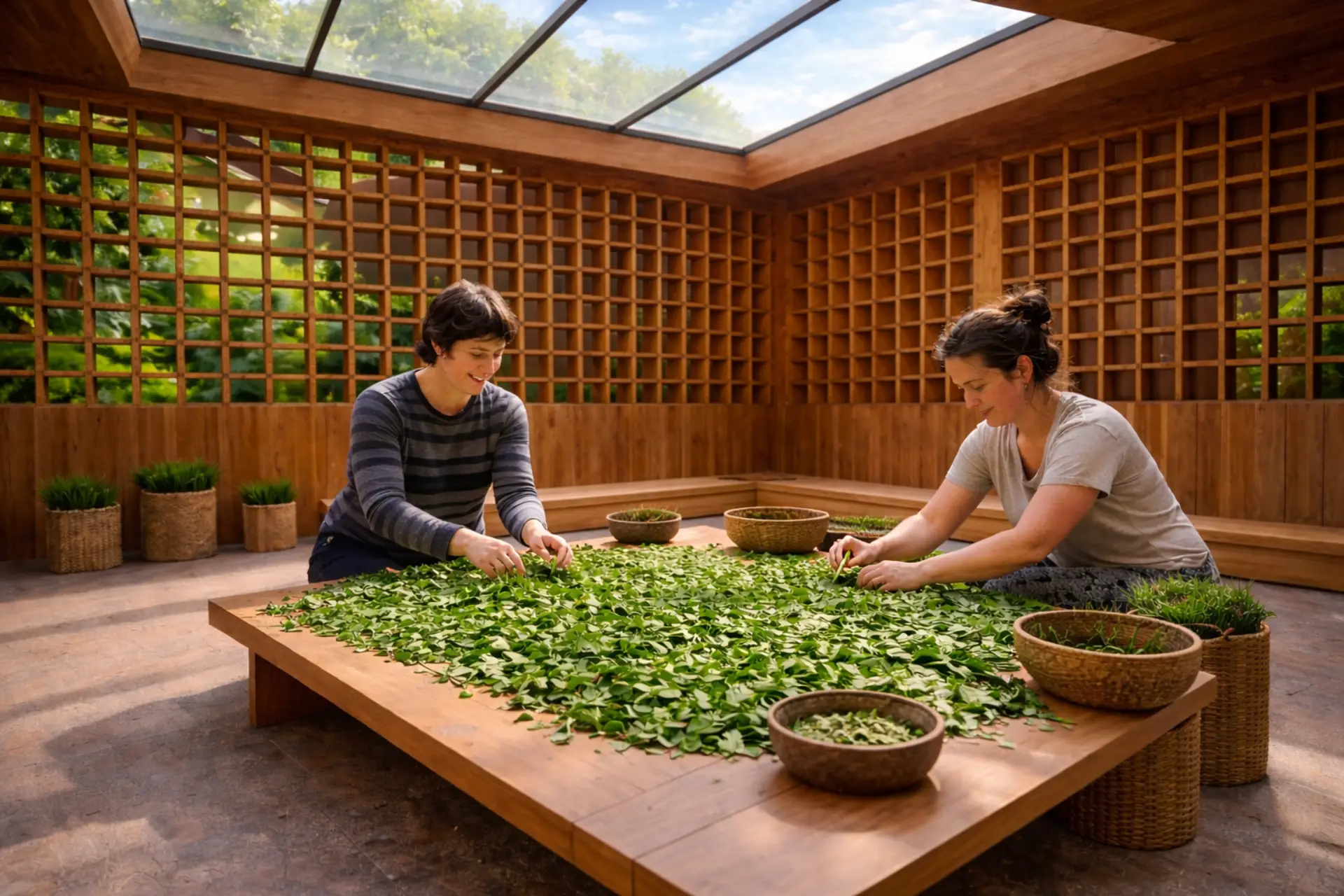
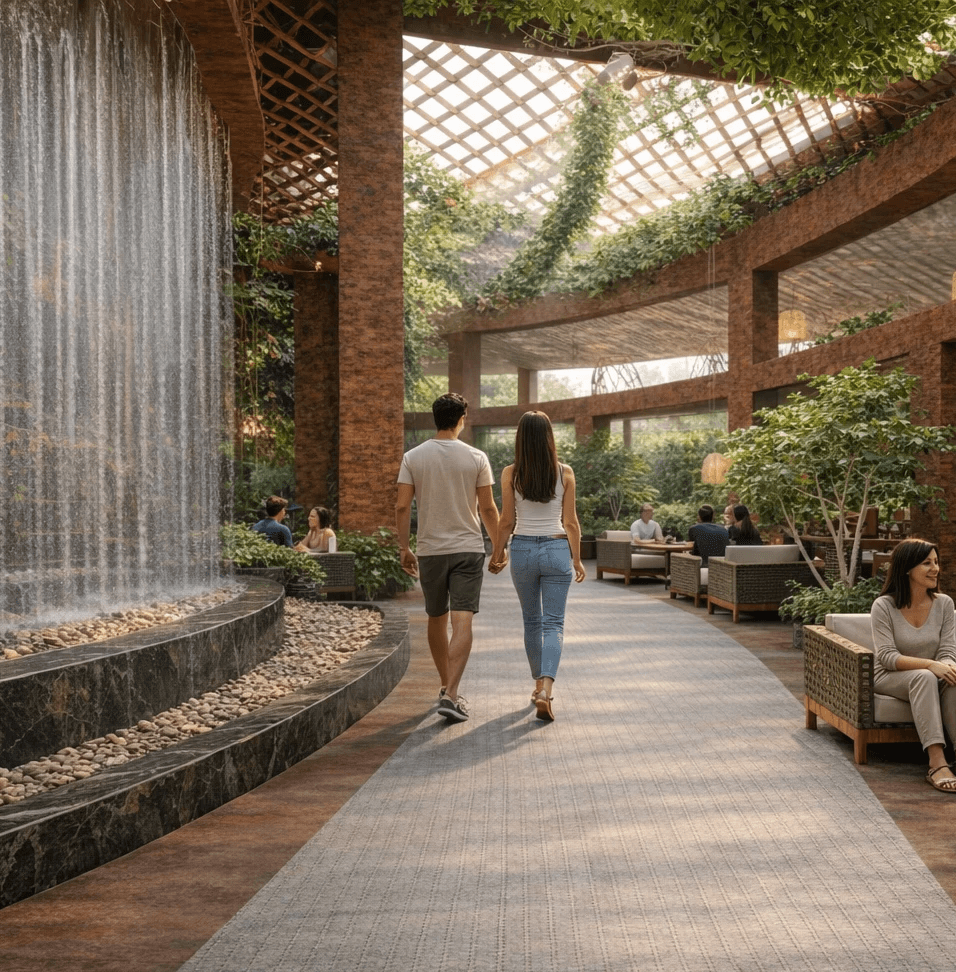
The tea drying area was positioned to face east in order to benefit from morning sunlight and natural daylight throughout the day. The roof structure was designed with a slight slope, allowing rainwater to be collected and reused through a transparent rainwater harvesting system that becomes part of the spatial experience.
Sustainability was a key driver in the design. Solar panels provide the main lighting needs of the space, while treated rainwater is reused for irrigation and plumbing systems.
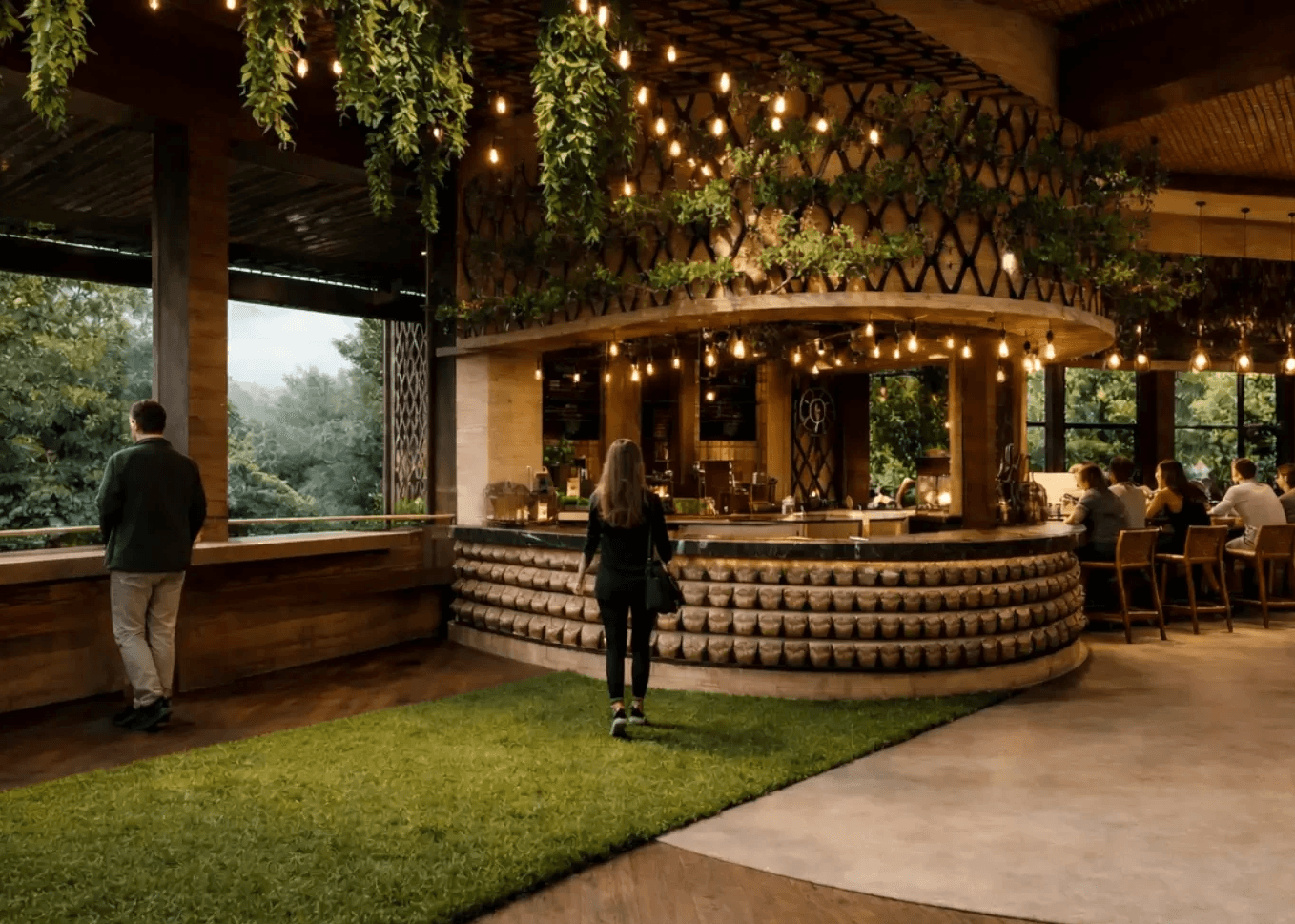
The project also incorporates the Wolf Crossing Technique, a local construction method that enables both spatial separation and functional wall usage such as storage and shelving.
The spatial design was developed to support interaction, participation, and sustainability while integrating local architectural references.
The tea drying area was positioned to face east in order to benefit from morning sunlight and natural daylight throughout the day. The roof structure was designed with a slight slope, allowing rainwater to be collected and reused through a transparent rainwater harvesting system that becomes part of the spatial experience.
Sustainability was a key driver in the design. Solar panels provide the main lighting needs of the space, while treated rainwater is reused for irrigation and plumbing systems.
The project also incorporates the Wolf Crossing Technique, a local construction method that enables both spatial separation and functional wall usage such as storage and shelving.
the impact
the impact
The project proposes an alternative tea experience that combines production, interaction, and sustainability within a single spatial system.
Rather than simply consuming tea, visitors are invited to engage with its entire lifecycle. This creates a deeper connection between people, place, and production while encouraging empathy through shared experience.
Key outcomes of the project include:
a participatory tea production experience
strengthened social interaction
reduced water and energy consumption
integration of local techniques into contemporary design
The project proposes an alternative tea experience that combines production, interaction, and sustainability within a single spatial system.
Rather than simply consuming tea, visitors are invited to engage with its entire lifecycle. This creates a deeper connection between people, place, and production while encouraging empathy through shared experience.
Key outcomes of the project include:
a participatory tea production experience
strengthened social interaction
reduced water and energy consumption
integration of local techniques into contemporary design
Responsibilities
Responsibilities
Concept & experience design
Spatial planning and user journey
Sustainable system integration
Material and construction strategy
3D visualization
Concept & experience design
Spatial planning and user journey
Sustainable system integration
Material and construction strategy
3D visualization
tools
tools




let’s make your design shine
“collaborate with me to craft exceptional designs
reflect your unique vision.”
let’s make your design shine
“collaborate with me to craft exceptional designs
reflect your unique vision.”
let’s make your design shine
“collaborate with me to craft exceptional designs
reflect your unique vision.”
let’s make your design shine
“collaborate with me to craft exceptional designs
reflect your unique vision.”